
Tree Trimming and Pruning in Idaho Falls, ID
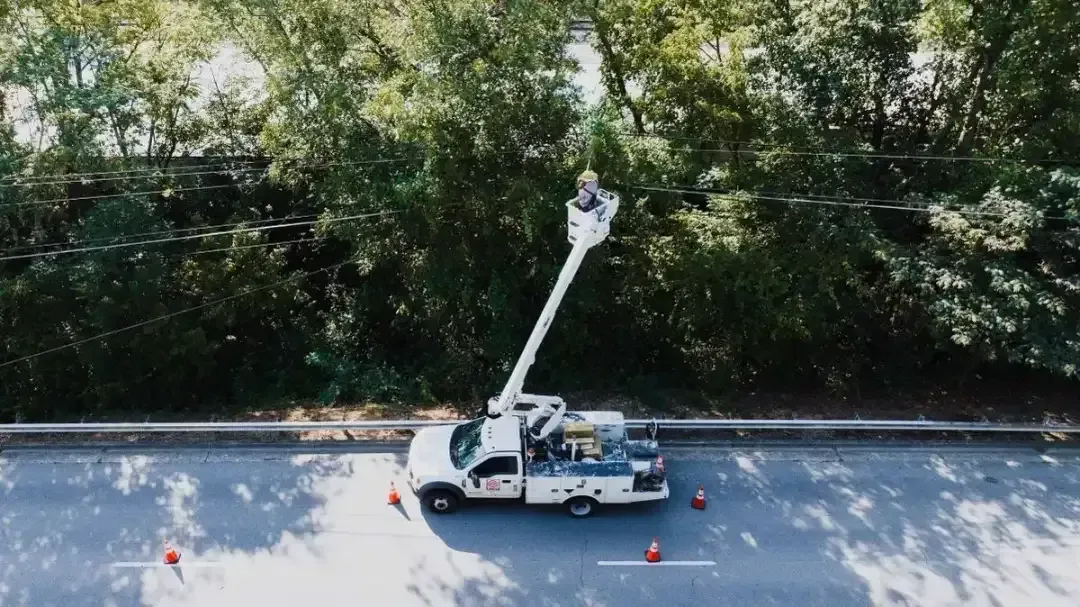
Overgrown branches, crowded canopies, and deadwood left unchecked can turn a healthy tree into a property hazard. Ridgeline Tree & Land Management provides professional tree trimming and pruning in Idaho Falls, ID, helping homeowners and property managers keep their trees structurally sound, visually clean, and safer over the long term. Whether you need a single limb cleared from a roofline or a full canopy thinned for better growth, we bring the same field-grounded approach to every job.
Tree Pruning Service in Idaho Falls, ID
Trimming That Goes Beyond Appearance
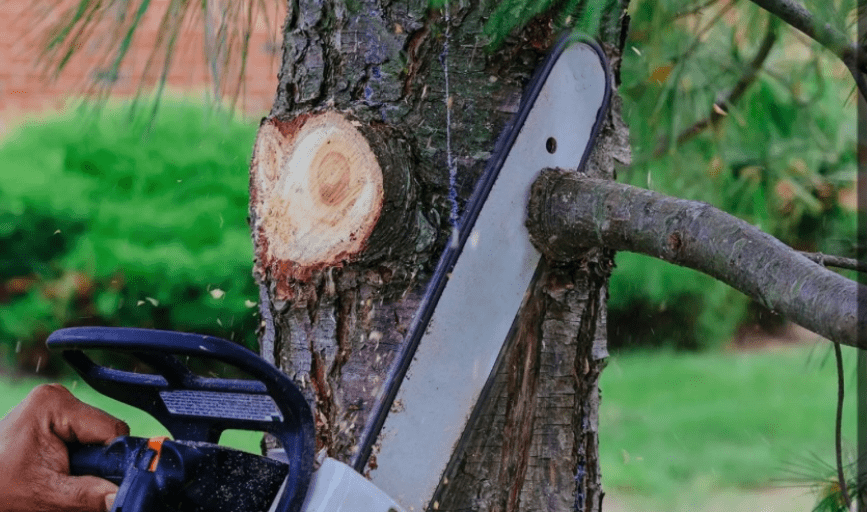
Professional tree trimming is about more than keeping a yard looking tidy. Removing deadwood, crossing limbs, and poorly attached branches reduces the chance of storm damage and protects the structures, fences, and people below. Ridgeline approaches every pruning job with an eye on structure first. We look at how the tree is growing, where the weight is distributed, and which cuts will support healthier development without creating new problems. The result is a tree that looks better and holds up better through wind, snow, and seasonal stress common to eastern Idaho.
What We Address
Common Reasons to Schedule a Pruning Service
Branches rubbing against a roof, siding, or gutters are one of the most frequent reasons homeowners call for tree maintenance. Other common situations include limbs hanging over driveways or walkways, deadwood visible in the upper canopy, branches blocking light to a yard or structure, and trees that have grown unevenly and need structural correction. Crown trimming is also useful after storm damage, when broken or partially attached limbs need to be cleanly removed before they fall on their own. Each of these situations calls for precise cuts made at the right location, not just a general reduction of the canopy.
Experience Behind Every Cut
Field-Grounded Tree Care for Idaho Falls Properties
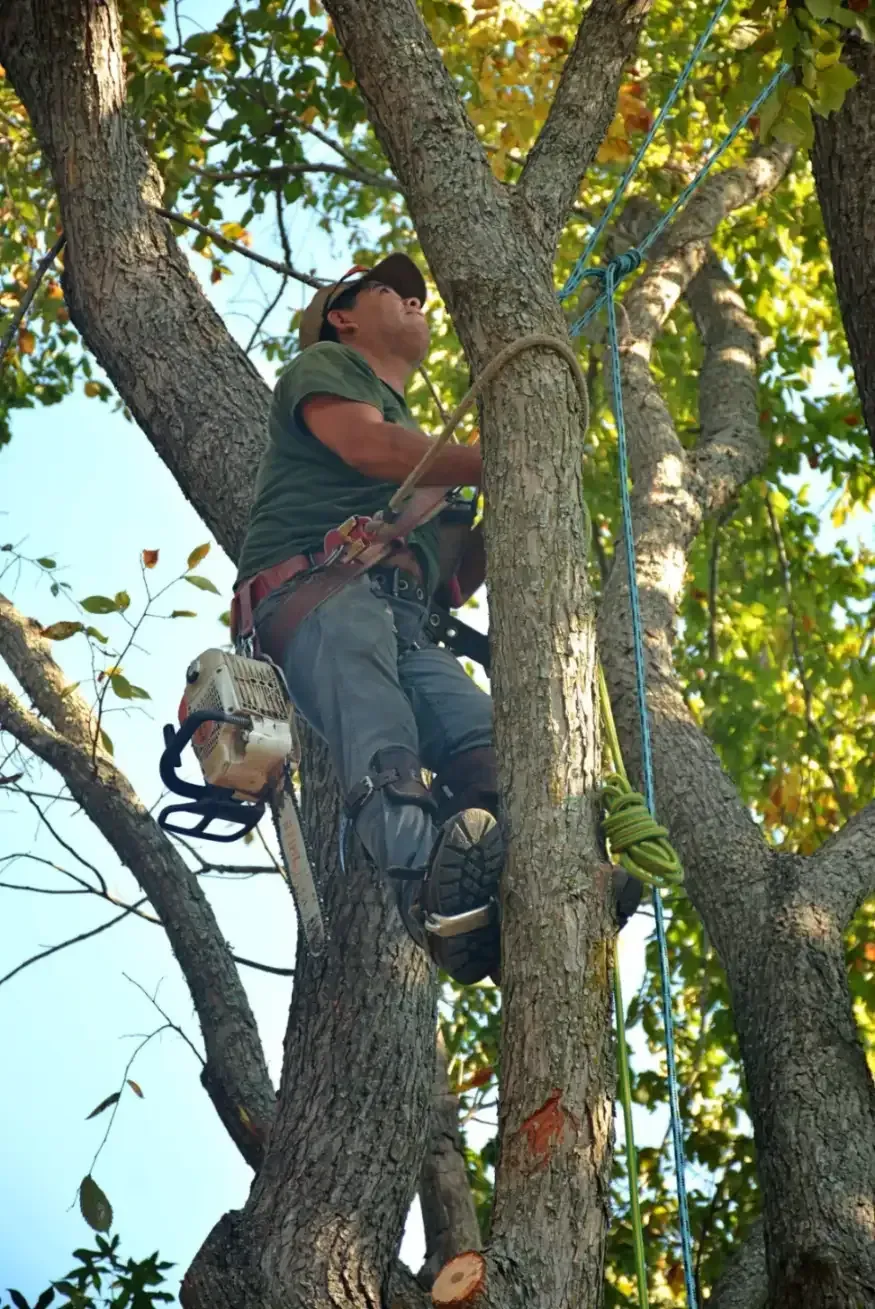
Shayne Warth began working with trees through U.S. Forest Service contracting in 2013, including hazard-tree work around campgrounds, roads, and burned areas. That background informs how Ridgeline approaches residential and commercial pruning today. Trees near structures require careful planning, and the same attention to risk and surrounding-property protection that applies to hazardous removals applies here too. Ridgeline carries $1 million in liability insurance, works seven days a week for standard jobs, and handles cleanup after every service so your property is left in good order.
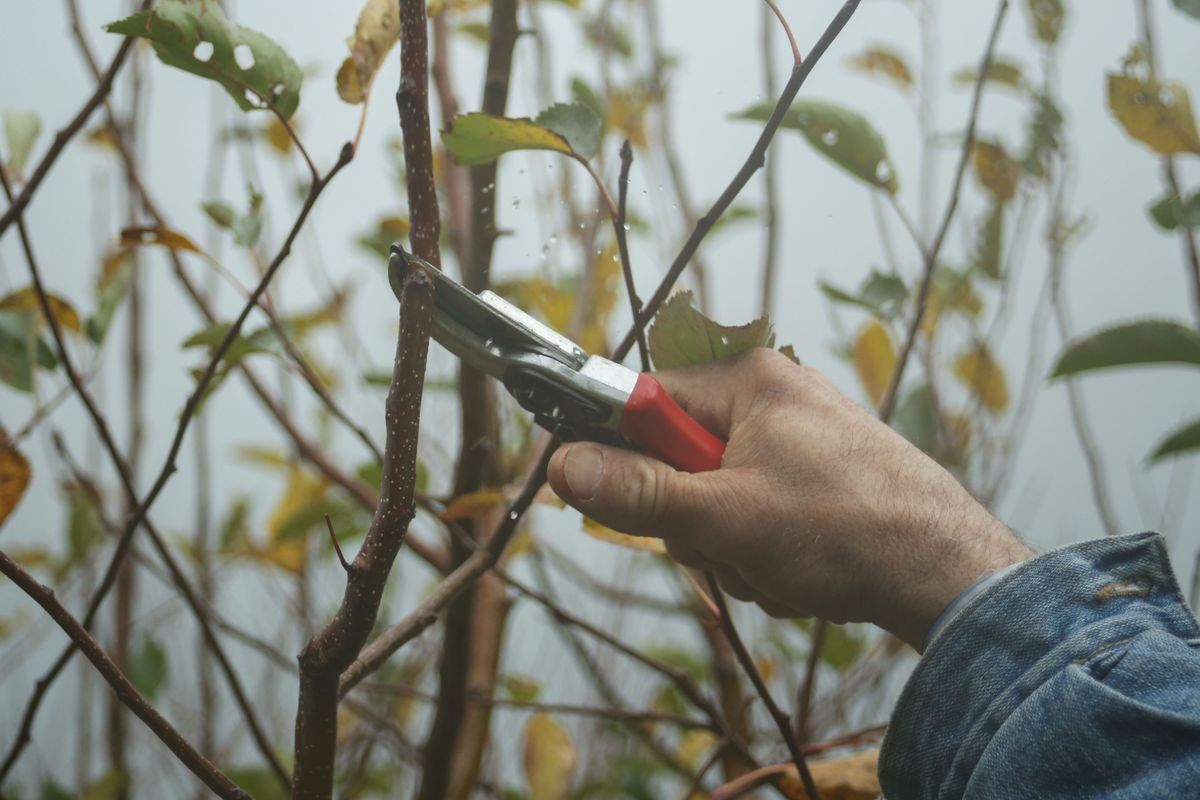
Trimming vs. Fruit Tree Pruning
Knowing Which Service Fits Your Tree
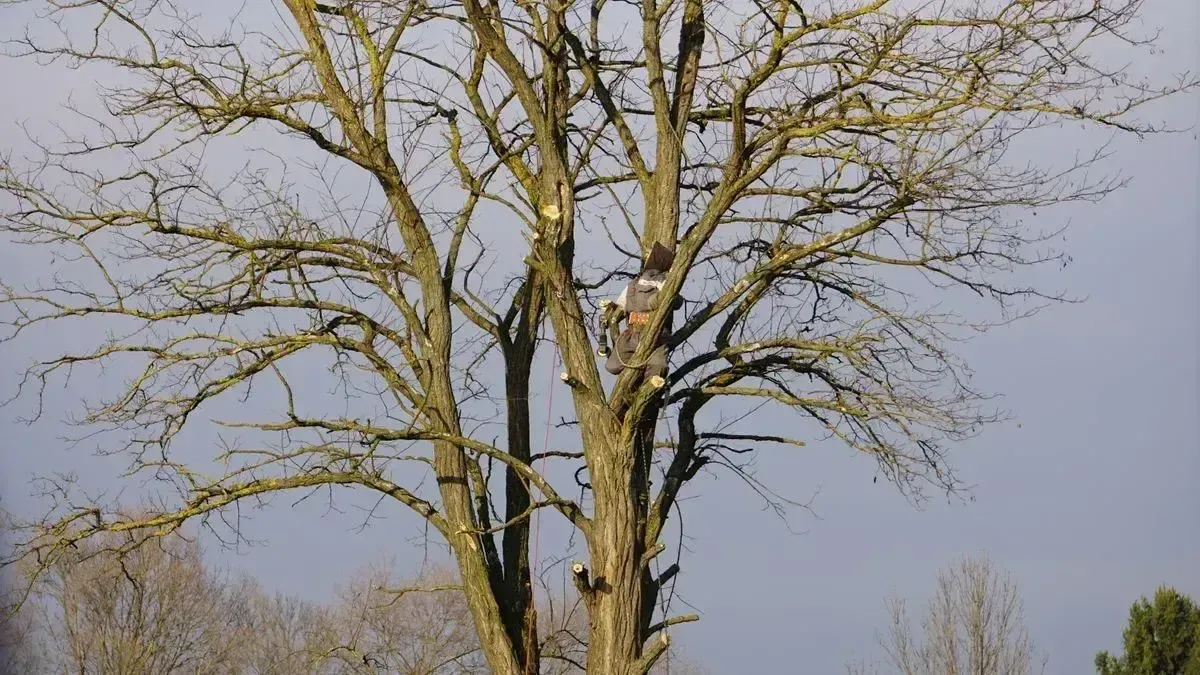
General tree trimming covers structural pruning, deadwood removal, clearance cuts, canopy shaping, and limb safety for shade trees and ornamental trees on your property. If you have fruit trees and your goal is better air circulation, improved sunlight penetration, or stronger fruit development, that work falls under a separate fruit tree pruning service. Knowing the difference helps you get the right approach for your specific trees. If you are unsure, a free tree assessment can help clarify what each tree on your property actually needs.
Tree Trimming Questions
Answers About Tree Pruning in Idaho Falls
How is tree trimming different from tree removal?
Tree trimming focuses on selectively removing specific branches to improve structure, reduce hazards, clear obstructions, or support healthier growth, while leaving the tree standing. Tree removal is the full extraction of a tree that is dead, severely damaged, hazardous, or no longer wanted on the property. Many trees that look concerning do not need to be removed at all. A professional pruning service can often address the problem by removing the problematic limbs rather than the whole tree, which preserves the value and shade the tree provides while reducing the risk.What signs indicate a tree needs pruning rather than removal?
If a tree is otherwise healthy but has specific branches that are dead, crossing and rubbing, growing toward a structure, or hanging over a roof or walkway, pruning is usually the right approach. Uneven canopy growth, low-hanging limbs blocking access, and visible deadwood in the upper crown are all common reasons to schedule a trimming service. A free tree assessment from Ridgeline can help you understand whether the concern is limited to specific branches or whether the tree's overall structure warrants a different course of action.Will trimming a tree help it grow better over time?
Yes, in most cases. Removing deadwood and poorly attached or crossing branches allows the tree to direct its energy toward healthy growth. Crown trimming can also improve light penetration and airflow through the canopy, which benefits the tree's overall condition. Structural pruning done at the right time and in the right locations supports a stronger branch architecture, which reduces the likelihood of limb failure during storms or heavy snow loads common in eastern Idaho. The key is making precise cuts at the correct points rather than simply reducing the overall size of the tree.Is a free assessment available before scheduling trimming work?
Yes. Ridgeline offers free tree assessments, which give you a professional evaluation of what each tree on your property actually needs before any work begins. During an assessment, the focus is on observable conditions such as deadwood, structural concerns, clearance issues, and growth patterns. This helps you make an informed decision about whether trimming, a more targeted pruning approach, or a different service is the right fit for your situation. There is no obligation attached to the assessment.Does Ridgeline handle cleanup after trimming work?
Yes. Cleanup following tree trimming is part of the service. Once the pruning work is complete, cut branches and debris are cleared from your property so the area is left in good order. This is consistent with how Ridgeline approaches all tree and land work, including larger removal jobs. You should not be left with a pile of limbs or scattered debris after a professional trimming service.Can branches near a house be trimmed safely without damaging the structure?
Yes. Working near structures is a standard part of what Ridgeline does. Shayne's background includes hazard-tree work around campgrounds, roads, and structures through U.S. Forest Service contracting, and that experience carries directly into residential pruning jobs where branches are close to a roof, siding, gutters, or fences. Careful planning before each cut, combined with proper technique, keeps surrounding property protected throughout the job. Ridgeline also carries $1 million in liability insurance for additional peace of mind.How does general tree trimming differ from fruit tree pruning?
General tree trimming covers shade trees, ornamental trees, and other non-fruit trees on your property, including structural pruning, deadwood removal, clearance cuts, and canopy shaping. Fruit trees have different pruning goals centered on airflow, sunlight, and fruit development, and those are handled under a separate fruit tree pruning service. If you have both types of trees and are unsure which service applies to which tree, a free assessment can help clarify the best approach for each one.
What Customers Say