
Hazard Tree Assessment and Removal in Idaho Falls, ID
Not every tree that looks healthy is safe, and not every leaning tree needs to come down. A professional tree hazard evaluation gives you a clear picture of what is actually going on before a problem becomes an emergency. Ridgeline Tree & Land Management offers free hazard tree assessments across Idaho Falls and the surrounding area, helping homeowners and property managers identify dangerous trees and make informed decisions about next steps.
Tree Safety in Idaho Falls, ID
What a Tree Hazard Evaluation Actually Looks At
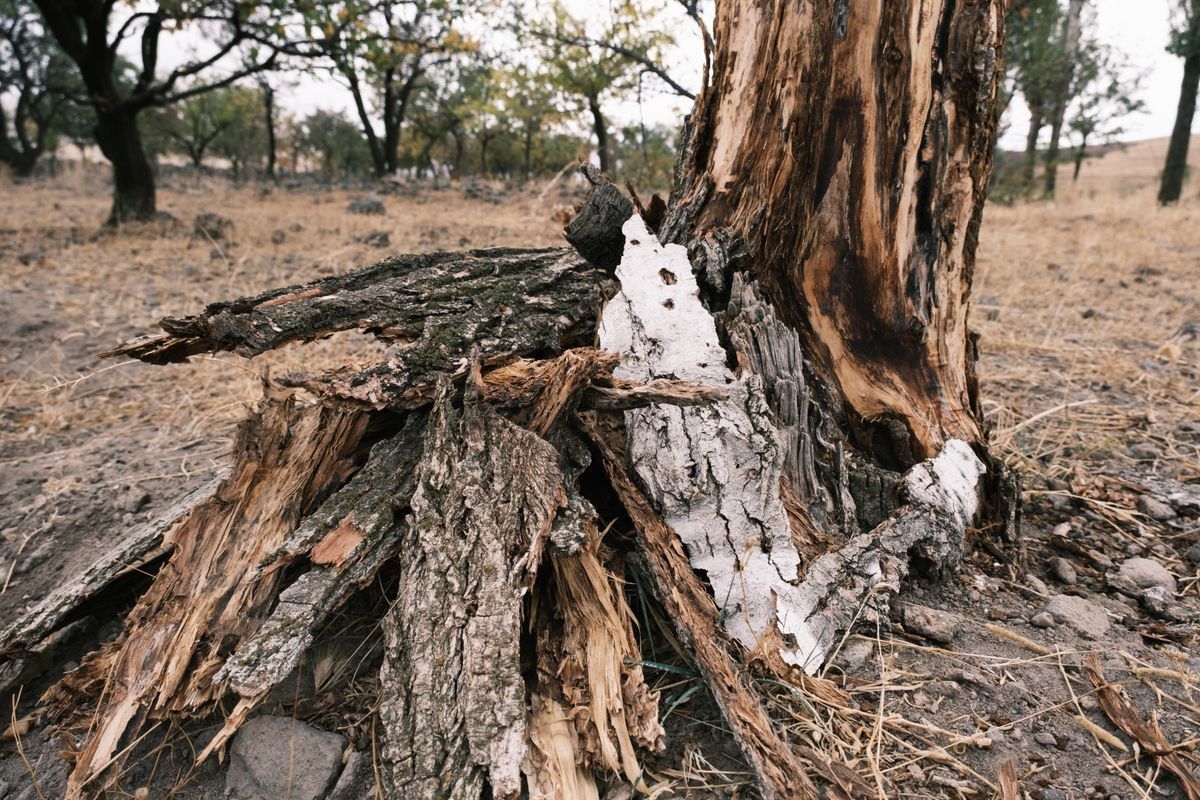
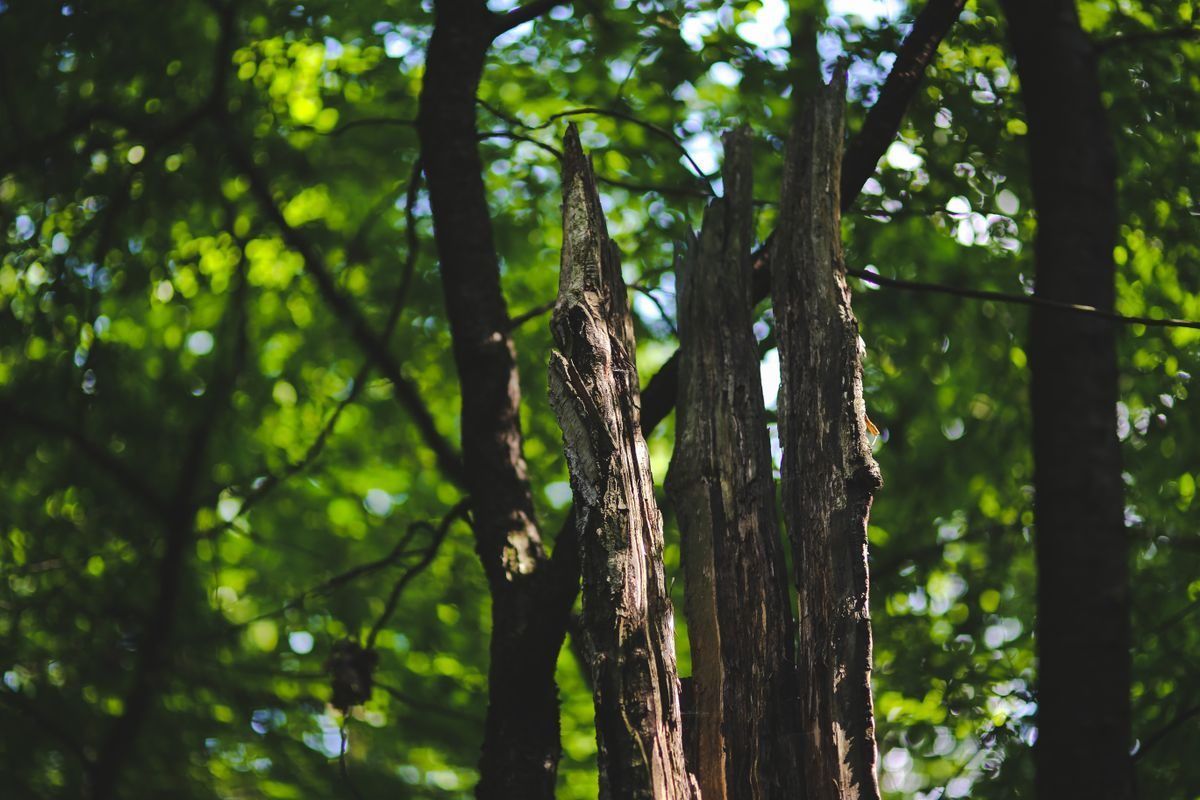
A property tree inspection covers the observable signs that indicate a tree may pose a risk to people, structures, or surrounding property. Shayne Warth and the Ridgeline team look at lean and direction of lean relative to targets like homes, fences, driveways, and utility lines. They check for visible cracks in the trunk or major limbs, signs of decay or hollow sections, deadwood in the canopy, root zone concerns, and indicators of disease or structural weakness. Each of these factors is weighed against what sits nearby. A tree with minor deadwood in an open field is a very different situation from the same tree hanging over a roof. The assessment is about understanding that relationship between the tree's condition and the people and property around it.
Field-Grounded Experience
Why Background Matters When You Identify Dangerous Trees
Shayne began contracting with the U.S. Forest Service in 2013, later running a hot saw on a wildfire crew and performing trail and hazard-tree work around campgrounds, roads, and burned areas. That kind of field experience means reading a tree's structural condition is not a new skill learned on residential jobs. It is something practiced for years in high-stakes environments where getting the assessment wrong had real consequences. That same judgment now applies to the trees near your home, yard, or managed property in eastern Idaho. When you need someone to evaluate whether a tree is genuinely unsafe, the assessment should come from someone who has spent years making exactly those calls in the field.
Assessment vs. Removal
Understanding Your Options After a Tree Inspection
A hazard assessment and removal are two separate steps. The evaluation comes first. After reviewing the tree's condition, lean, root zone, and proximity to structures, Ridgeline will give you a straightforward explanation of what was found and what the practical options are. Some trees require removal. Others may be addressed through trimming, deadwood reduction, or monitoring. The goal of the assessment is to give you accurate information so you are not guessing about a tree you are concerned about, and so you are not paying for unsafe tree removal that is not actually needed. Ridgeline carries $1 million in liability insurance, so when work does proceed, your property is covered.
Free Assessments for Idaho Falls Area Properties
When to Schedule a Property Tree Inspection
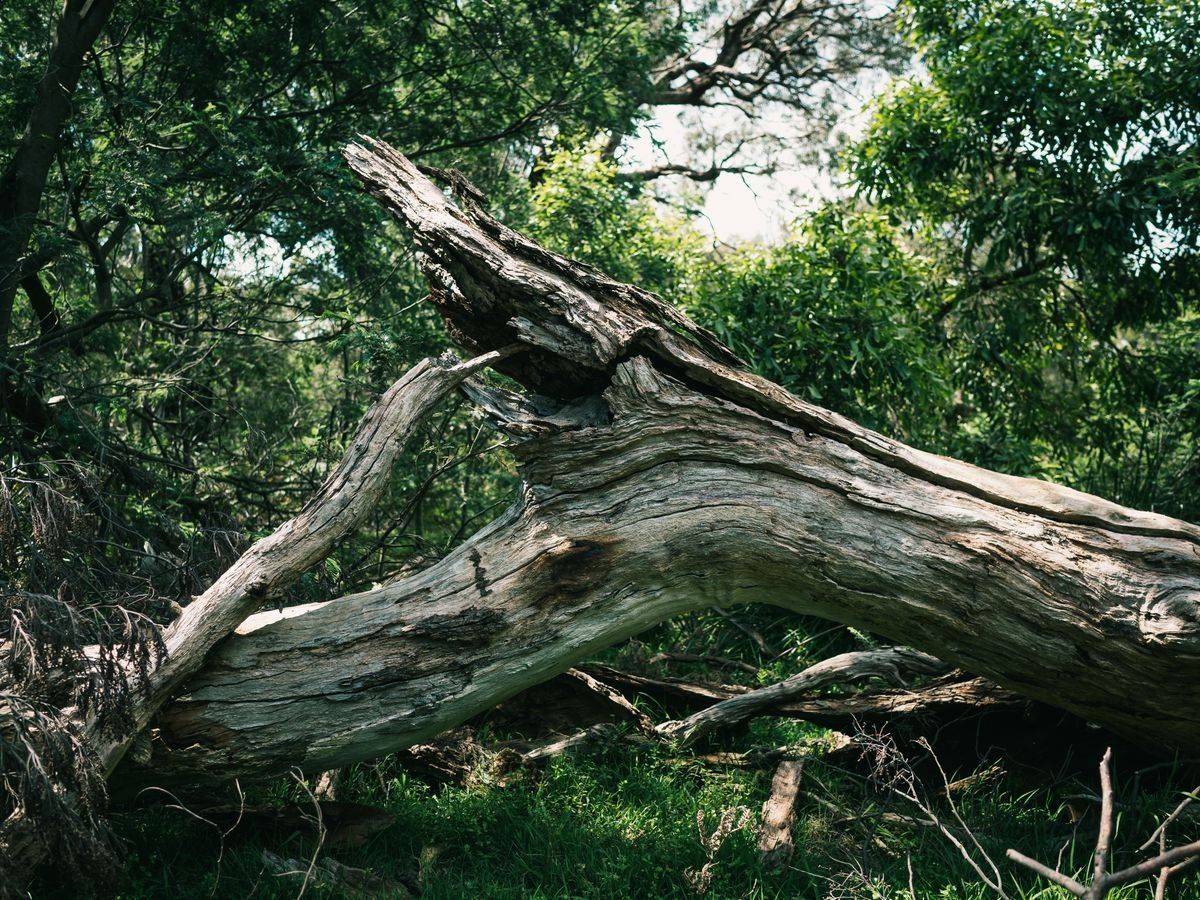
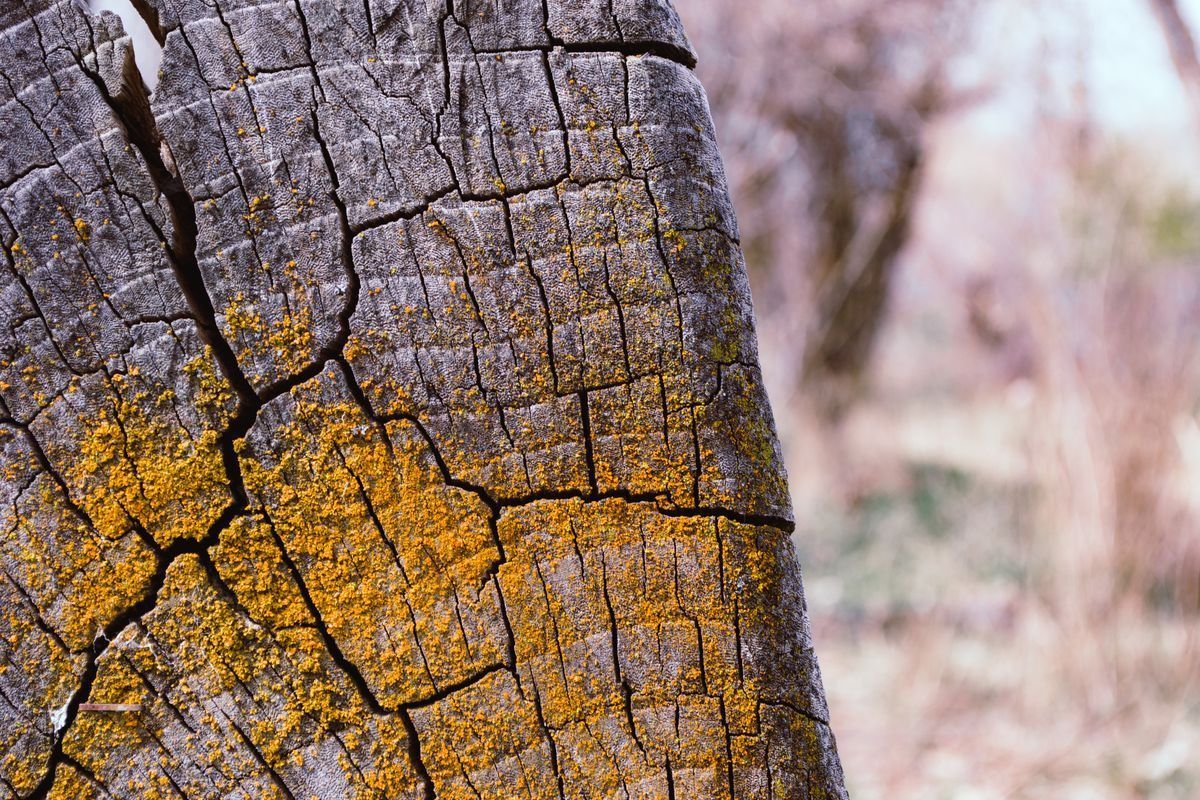
You do not need to wait for a tree to fall or a branch to crack before calling for an evaluation. Common situations that warrant a closer look include trees leaning toward a structure after a storm, large deadwood visible in the upper canopy, trees showing splits or cracks at major branch unions, trees with soft or sunken bark that may indicate internal decay, and any tree near a home, driveway, or fence that has started to look different than it did a season ago. If you manage multiple properties or commercial grounds, periodic tree inspections are a practical way to stay ahead of unsafe conditions before they create liability or damage. Assessments are free, and there is no obligation attached to the evaluation itself.
Common Questions
Hazard Tree Assessment FAQs
Is the hazard tree assessment really free, and does it come with any obligation?
Yes, the assessment is free. Ridgeline will evaluate the tree, explain what was found, and walk you through the practical options. There is no obligation attached to the evaluation itself. The goal is to give you accurate information so you can make a decision that makes sense for your property and your situation, not to pressure you into a service you may not need.What visible signs suggest a tree might need a professional inspection?
Some of the most common indicators worth a closer look include a noticeable lean toward a structure, large dead branches in the upper canopy, cracks or splits at major branch unions, bark that appears soft or sunken, and any significant change in how a tree looks compared to previous seasons. Root zone disturbance, fungal growth at the base, and hollow-sounding sections of the trunk are also worth flagging. None of these automatically means a tree must come down, but they are all reasons to have someone take a proper look.How is a hazard assessment different from a removal quote?
The assessment is an evaluation of the tree's condition, lean, root zone, and proximity to people and structures. It tells you what is going on with the tree and what your options are. A removal quote is a separate step that follows if removal turns out to be the right course of action. Ridgeline keeps these two things distinct so you get an honest read on the tree before any work is recommended or priced.Can a hazard tree be addressed without full removal?
Sometimes, yes. Depending on what the evaluation finds, options may include trimming away deadwood, reducing the canopy weight on a particular side, or monitoring the tree over time. Full removal is recommended when the tree's condition and its proximity to a structure, person, or access point make the risk too significant to manage any other way. The assessment is what determines which path makes the most sense.Do you assess trees on commercial and rental properties, not just residential homes?
Yes. Ridgeline works with homeowners as well as property managers, landlords, apartment-complex owners, and commercial property operators. Periodic tree inspections on managed properties are a practical way to stay ahead of unsafe conditions and reduce liability risk before a problem develops. The same free assessment applies regardless of the property type.How does Shayne's Forest Service and wildfire background apply to residential tree assessments?
Shayne Warth spent years performing hazard-tree evaluations and removals for the U.S. Forest Service, including work around campgrounds, roads, and burned areas where identifying dangerous trees was a daily responsibility with real consequences. That field experience directly informs how assessments are conducted on residential and commercial properties. Reading a tree's structural condition, lean, and risk to nearby targets is a skill built over years of practical work, not something developed exclusively on residential jobs.Is Ridgeline insured for tree work near homes and structures?
Yes. Ridgeline Tree & Land Management carries $1 million in liability insurance. This applies to tree work performed near homes, fences, driveways, and other structures. When work proceeds following an assessment, your property is covered.
What Customers Are Saying