
Fuel Mitigation and Forest Management in Idaho Falls, ID
Dead trees, fallen branches, dense brush, and continuous vegetation are some of the most practical wildfire risks on private property. Ridgeline Tree & Land Management provides fuel mitigation and forest management services across the Idaho Falls area, helping homeowners and property managers reduce the conditions that allow fire to spread. The work is grounded in real field experience: Shayne Warth began working with the U.S. Forest Service in 2013, later running a hot saw on a wildfire crew and performing hazard-tree and trail work in burned areas. That background shapes how Ridgeline approaches every defensible space clearing and fire hazard reduction project.
Fuel Mitigation in Idaho Falls, ID
What Fuel Mitigation Actually Involves
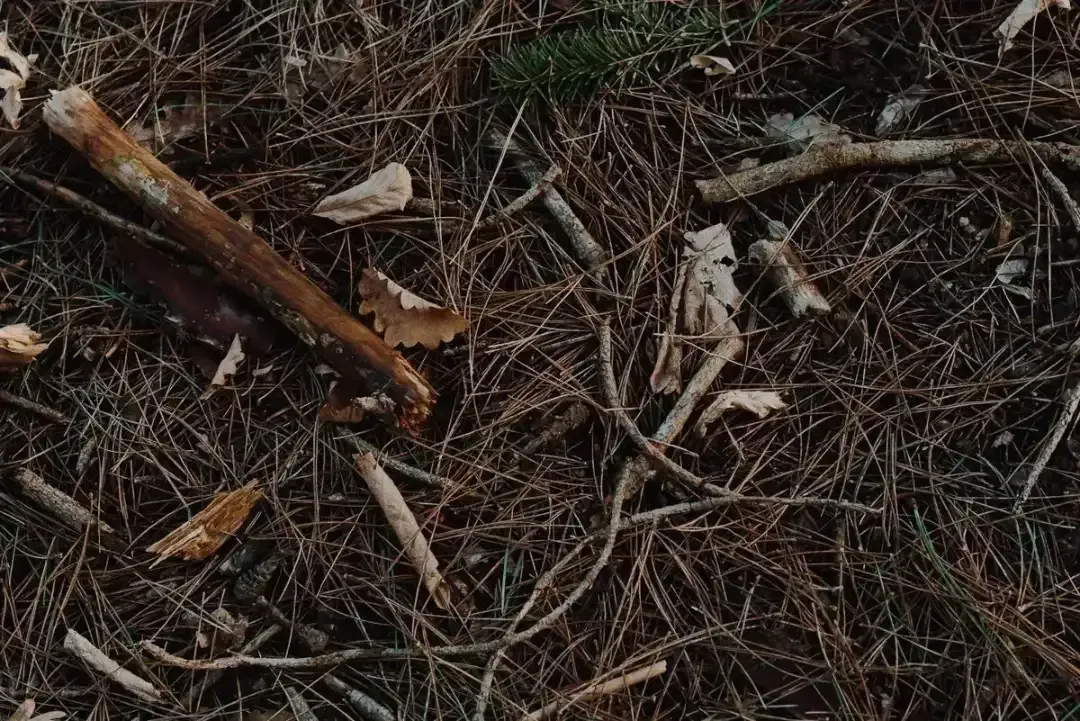
Fuel mitigation is the selective removal or thinning of vegetation that can carry fire from one area to another. On a residential or managed property, that typically means removing dead trees, cutting back dense brush, clearing fallen branches, and thinning areas where vegetation has grown so close together that fire could move through it with little resistance. The goal is not to clear every plant from your property. It is to interrupt the continuity of fuels so that fire has fewer pathways and less material to feed on. This kind of defensible space clearing creates a buffer around homes, outbuildings, fences, and access routes where fire behavior becomes more manageable. Ridgeline approaches this work selectively, focusing on the vegetation that poses the greatest risk rather than removing everything in sight.
Forest Thinning Service
How Forest Thinning Reduces Fire Hazard on Your Property
Properties along the wildland edge in eastern Idaho often carry decades of accumulated dead material: standing dead trees, downed logs, dry brush, and overgrown vegetation that has never been managed. A forest thinning service targets that accumulation by removing the highest-risk material first. Dead or dying trees are prioritized because they ignite quickly and can carry fire into the canopy. Dense understory brush is thinned to reduce the ladder fuels that allow ground fire to climb into tree crowns. Fallen branches and debris are cleared to reduce the fuel load on the ground. The result is a property where fire behavior is less intense and where structures have more separation from continuous fuels. This work does not eliminate wildfire risk, but it meaningfully changes the conditions on your property before fire season.
Wildfire Prevention Tree Removal
When Tree Removal Is Part of the Fire Hazard Reduction Plan
Not every tree on a property needs to come down as part of a fire hazard reduction plan, but some do. Dead trees are the clearest candidates: they dry out completely, ignite easily, and can spread fire rapidly. Trees with significant deadwood in the canopy, trees growing in dense clusters with no separation, and trees positioned directly against structures or in primary access corridors may also need to be removed as part of wildfire prevention tree removal work. Ridgeline evaluates each situation on its own terms, identifying which trees present the most meaningful risk and which can remain with some trimming or thinning around them. A free assessment is available so you can understand the specific conditions on your property before any work begins.


Defensible Space Clearing
Building Practical Defensible Space Around Your Home
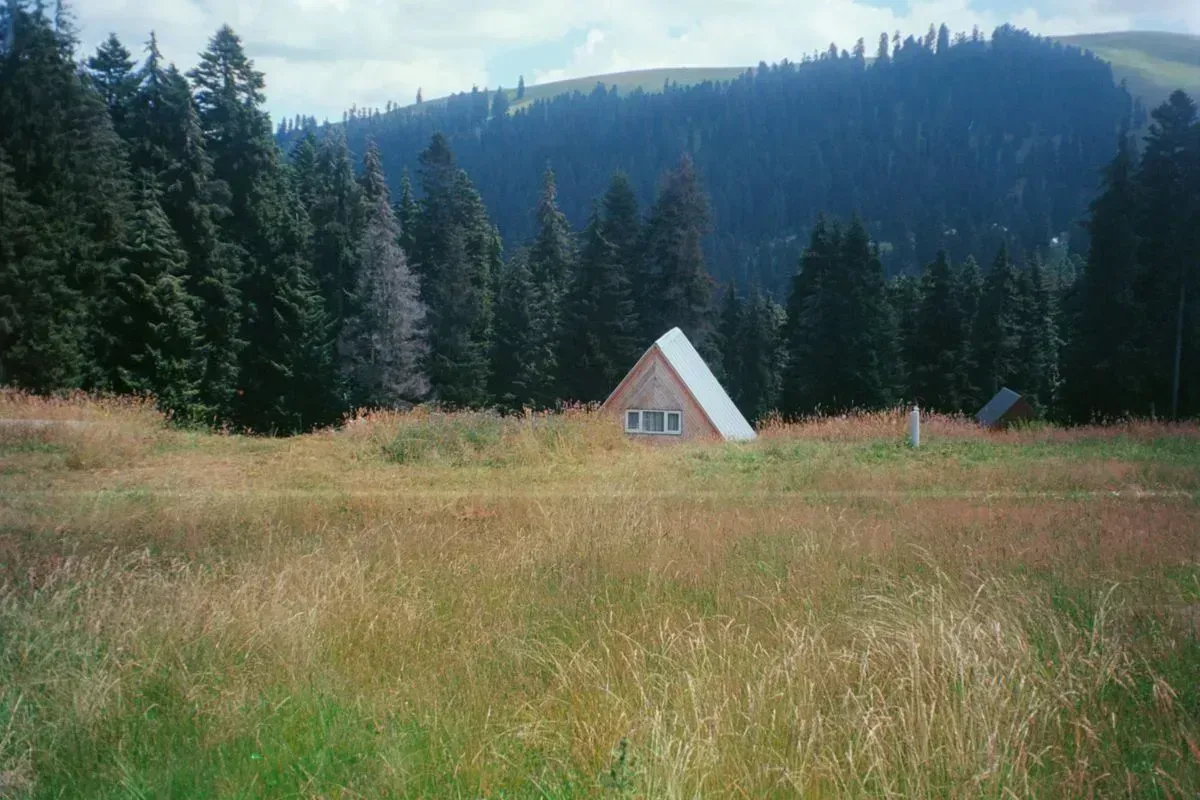
Defensible space is the area around a structure where vegetation and debris have been managed to slow or reduce fire intensity. Creating that space involves more than cutting back a few shrubs. It requires looking at the full picture: which trees are dead or dying, where brush has grown dense enough to carry fire, how much fallen debris has accumulated, and where fuel continuity exists between the property and surrounding vegetation. Ridgeline brings direct wildfire and Forest Service field experience to this kind of assessment and work. The company serves homeowners and property managers across Idaho Falls and the broader eastern Idaho area, including properties near forested or wildland edges where fire risk is a genuine seasonal concern. A free quote is available for defensible space clearing and fuel reduction projects of any size.
Fuel Mitigation Questions
Common Questions About Fuel Mitigation and Defensible Space
What is the difference between fuel mitigation and general tree removal?
General tree removal focuses on taking down a specific unwanted or hazardous tree. Fuel mitigation is broader in scope: it looks at the overall vegetation on a property and identifies where dead trees, dense brush, fallen debris, and continuous fuels create conditions that allow fire to spread. The work may include tree removal, but it also involves thinning brush, clearing ground debris, and reducing ladder fuels that connect ground-level fire to tree canopies. The goal is reducing fire behavior across the property, not just removing one tree.Does fuel mitigation guarantee that my property won't burn in a wildfire?
No. Fuel mitigation reduces the conditions that allow fire to spread and intensify on your property, but it cannot guarantee that a structure will survive a wildfire. What it does is change the fuel load and continuity around your home so that fire has less material to feed on and fewer pathways to travel. Properties with managed defensible space generally experience less intense fire behavior in their immediate surroundings compared to properties with dense, unmanaged vegetation. The work is meaningful risk reduction, not a fireproof guarantee.How do I know which trees and brush on my property should be removed for fire hazard reduction?
Dead or dying trees are the most straightforward candidates because they dry out completely and ignite easily. Dense brush and understory vegetation that connects ground fuels to tree canopies, called ladder fuels, are also high-priority targets. Trees growing in tight clusters with no separation, and fallen branches or debris that have accumulated over time, add to the overall fuel load. Ridgeline offers a free assessment to evaluate the specific conditions on your property and identify where the most meaningful risk exists before any work is planned.What does a forest thinning service look like on a residential property?
On a residential or rural property, forest thinning involves selectively removing dead trees, cutting back dense brush, clearing fallen branches and debris, and creating separation between trees and between ground fuels and the canopy. The work is targeted rather than a wholesale clearing of all vegetation. Ridgeline focuses on the material that carries the highest fire risk first, which typically means dead trees, dry understory brush, and accumulated ground debris. Healthy trees with adequate spacing are generally left in place or lightly trimmed rather than removed.Is a free assessment available before committing to fuel mitigation work?
Yes. Ridgeline offers a free assessment for fuel mitigation and defensible space projects. During the assessment, the conditions on your property are evaluated, including dead or dying trees, brush density, ground debris accumulation, and fuel continuity near structures. The assessment gives you a clear picture of what work would be most useful and why, without any obligation to proceed. Free quotes are also available for projects of any size.Does Ridgeline serve properties outside of Idaho Falls for fuel mitigation work?
Yes. Ridgeline Tree & Land Management operates as a service-area business covering Idaho Falls and a broader set of communities across eastern Idaho. Properties near forested or wildland edges throughout the region can be evaluated and serviced. Idaho Falls is the primary base of operations, but the company works across the surrounding area for both residential and managed-property fuel mitigation projects.How is fuel mitigation different from a standard yard cleanup?
Yard cleanup after tree work or a storm focuses on removing debris left behind from a specific job or weather event. Fuel mitigation is a planned, property-wide evaluation and reduction of wildfire fuels. It involves assessing which trees, brush, and accumulated material pose the greatest fire risk and removing or thinning them with fire behavior in mind. The two services may overlap when storm debris also happens to be a fuel concern, but fuel mitigation is a distinct process driven by wildfire risk priorities rather than general tidiness.

What Customers Are Saying